
The aromas of wine: learning to listen to your palate
Close your eyes for a moment.
Imagine a deep red wine, with notes of ripe fruit and spices. Then a bright white wine, where lemon, white flowers and a touch of butter mingle.
What you are experiencing are the aromas, the memory of the wine, its invisible signature.
At Winesud, we believe that learning to recognize these aromas is a whole new way to experience wine tasting . It's about understanding what you like, what you're looking for, what moves you. And that's exactly what our tasting test allows you to do: discover the wine that's right for you.
Where do the aromas of wine come from?
The aromas are not added — they arise naturally, over time and through the work of the winemaker.
Three main families of aromas can be distinguished, each reflecting a stage in the wine's life:
-
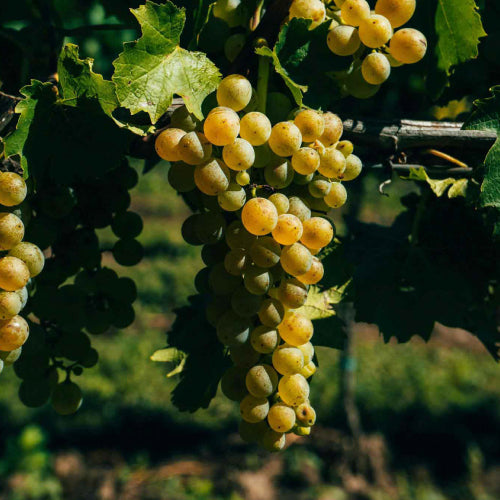
Primary aromas : derived from the grape variety.
→ Red fruits, citrus fruits, flowers, aromatic herbs.
-
Secondary aromas : developed during fermentation and aging.
→ Notes of brioche, butter, honey or vanilla.
-
Tertiary aromas : born from aging.
→ Leather, undergrowth, truffle, dried fruit… the memory of time.
Each wine therefore tells a story of balance between nature, know-how and patience.
The aromas of red wine: depth and character
Red wines are often distinguished by their warm and complex aromas.
It includes:
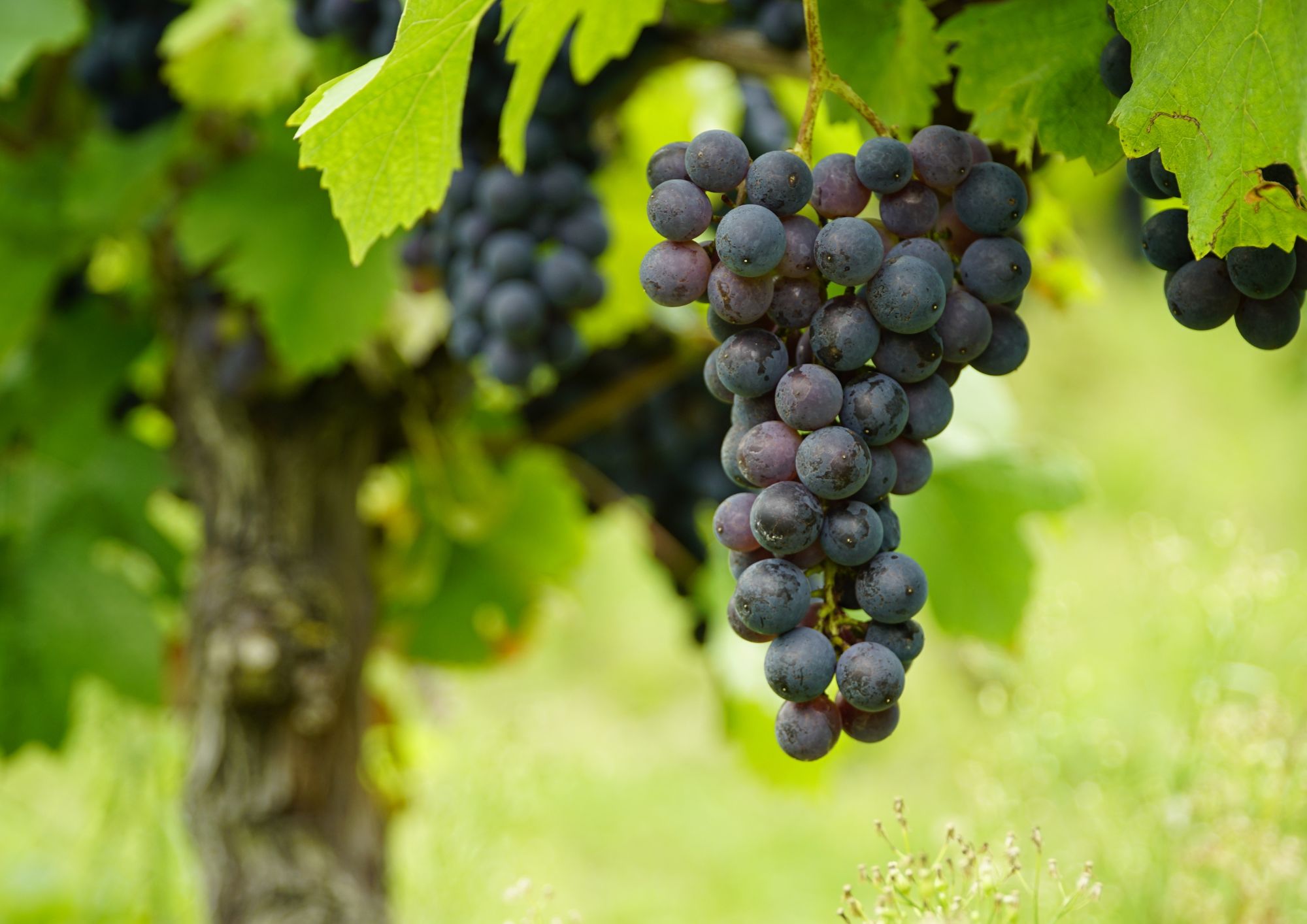
- red fruits (cherry, strawberry, raspberry) and black fruits (blackberry, blackcurrant),
- spices (pepper, cloves, cinnamon),
- Woody or roasted notes (vanilla, cocoa, coffee) depending on the aging process,
- sometimes animal or earthy notes (leather, undergrowth) in more mature wines.
These nuances depend not only on the grape variety, but also on the climate, the terroir, and the work of the winemaker.
That is why two bottles of the same vintage can tell two different stories .
💡 Winesud tasting tip:
To better perceive the aromas of red wine, serve it between 12 and 14°C, an ideal temperature for the bouquet to fully express itself.
The aromas of white wine: freshness and elegance
White wine is a field of expression for subtlety and finesse .
Depending on the grape variety and winemaking process, we find:
- citrus notes (lemon, grapefruit, orange),
- white flowers (acacia, jasmine, hawthorn),
- buttery or brioche notes (resulting from aging on lees or in barrels),
- sometimes a mineral touch, a reflection of the terroir (chalk, flint).
These aromas reflect the purity of the wine , but also its texture and complexity.
Each white wine has its own personality: lively and taut, round and luscious, mineral and saline…
👉 The key is to know which one speaks to you.
Why understanding aromas changes your tasting experience
Recognizing aromas is not just about “knowing how to talk about wine”.
It's about understanding why you like a wine, and how it resonates with your palate.
At Winesud, we have created a unique tool for this:
➡️ a simple and fun taste test that identifies your aromatic profile .
Fruity, spicy, mineral, floral… There is no right or wrong answer, only yours.
Once your profile is defined, our experts select the most suitable bottles for you, to be discovered in our gift sets or via our personalized subscription (no commitment, -20% on the entire catalogue).
In conclusion
The aromas of wine are an invitation to travel:
From the grape variety to the terroir, from the winemaker to your glass, every nuance tells a story of emotion.
So the next time you taste something, take the time to feel it.
What you are smelling is much more than wine: it is a story of taste, memory and passion.
💡 Discover yours now:
Take the taste test and find the wines that suit you.

Written by Sebastien MARTI



Leave a comment
This site is protected by hCaptcha and the hCaptcha Privacy Policy and Terms of Service apply.